Learn the key precautions to consider when using a straw bottle to support safer and more practical daily drinking.
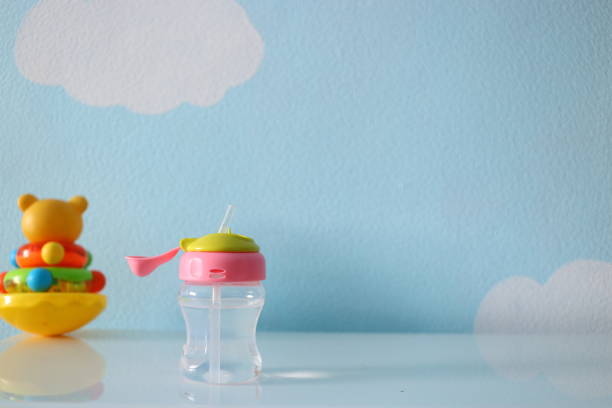
Important Precautions to Consider When Using a Straw Bottle
As children grow and become more independent, drinkware choices begin to play a larger role in daily routines. A straw bottle is often introduced during the weaning or toddler stage because it is practical, portable, and easier for many children to use than an open cup.
However, parents and caregivers should also pay attention to the precautions involved in choosing and using one. Safe and careful use matters just as much as convenience, especially when the product is used every day.
Choose an Age-Appropriate Design
The first precautions to take is selecting a bottle that matches the child’s age and developmental stage. Not every product is suitable for every age group. Some children may still be learning how to coordinate sipping, swallowing, and holding the bottle properly. A design that is too advanced or too difficult to handle may lead to frustration or messy use.
Parents should review product information carefully before making a purchase. When exploring options such as a straw bottle, it is useful to check whether the size, straw type, and drinking mechanism are suitable for the child’s current stage.
Pay Attention to Hygiene
Cleanliness is one of the most important precautions in everyday use. Since a straw bottle has several parts, such as the straw, lid, and inner sections, it can collect residue if not cleaned properly. This is especially important when the bottle is used for drinks other than plain water.
Parents should wash the bottle thoroughly after each use and make sure all parts are completely dry before reassembly. Areas inside the straw and lid should not be overlooked, as buildup can occur in parts that are harder to see. A bottle that is easy to take apart and clean usually supports better hygiene in the long term.
Avoid Using Damaged Parts
Another important precaution is checking the condition of the bottle regularly. Cracked lids, worn straws, loose seals, or damaged parts may affect both function and cleanliness. If the bottle no longer closes properly or shows signs of wear, it may not be suitable for continued use.
Children often use the same drinkware daily, so regular inspection is important. A straw bottle in poor condition may leak, become harder to clean, or no longer work as intended. Replacing worn parts on time can help maintain safer and more reliable use.
Supervise Use During Early Stages
When a child is still adjusting to independent drinking, supervision is an important precaution. Even if the bottle is designed for young children, parents should observe how it is being used, especially in the beginning. This helps ensure the child is comfortable with the flow of liquid and is holding the bottle safely.
Supervision is also useful when introducing a new straw bottle, since children may take time to adapt to a different shape, straw design, or lid mechanism. A gradual introduction often helps support a smoother transition.
Conclusion
A straw bottle can be a practical tool for supporting independent drinking, but careful use is essential. Choosing an age-appropriate design, maintaining hygiene, checking for damage, and supervising early use are all important precautions. By paying attention to these details, parents can make daily drinking routines more manageable while supporting safer use for their child.