End Mill Cutters Malaysia: A Practical Guide for Precision Machining
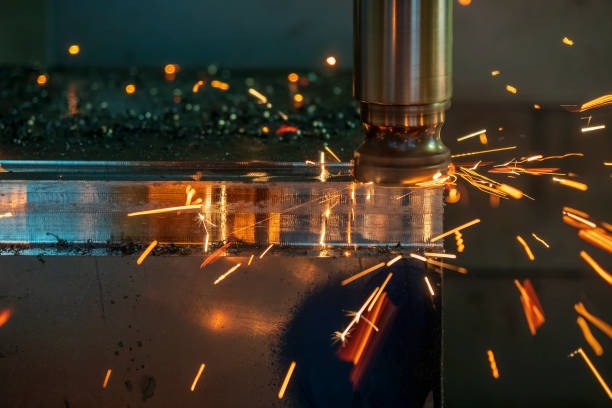
Milling operations are widely used to manufacture components for industries ranging from automotive and electronics to general engineering. Selecting suitable cutting tools can influence dimensional accuracy, surface finish, machining efficiency and tool life. Manufacturers looking for end mill cutters malaysia should therefore consider the workpiece material, machining operation, tool geometry and machine capabilities before choosing a cutter.
End mills are available in numerous designs for different applications. Understanding these differences helps machine shops and manufacturers select tools that align with their production requirements rather than relying on a single cutter for every operation.
What Are End Mill Cutters?
End mills are rotary cutting tools commonly used with milling machines and CNC machining centres. Unlike some conventional drills that primarily cut in an axial direction, end mills can perform operations such as profiling, slotting, contouring and pocket milling, depending on their design.
Businesses exploring end mill cutters malaysia can compare industrial tooling options according to their specific machining requirements. Important specifications may include cutter diameter, flute count, cutting length, shank dimensions and overall tool geometry.
Match the Cutter to the Workpiece Material
The material being machined is an important consideration when selecting an end mill. Aluminium, stainless steel, carbon steel and other engineering materials have different machining characteristics and may benefit from different cutting geometries.
Tool material also matters. Carbide is commonly used in modern machining applications because of its hardness and ability to operate under demanding cutting conditions. However, the most suitable choice depends on machine rigidity, production requirements, cutting parameters and workpiece properties.
Consider Flute Count and Geometry
When comparing end mill cutters malaysia, flute count is another important specification. The number and shape of flutes affect chip evacuation, tool strength and the amount of cutting-edge contact with the workpiece.
Applications that generate larger chips may require sufficient space for effective chip removal. Other operations may benefit from additional cutting edges. Helix angle, edge preparation and tool profile can also influence cutting behaviour, making it important to evaluate the entire tool geometry.
Understand the Role of Tool Coatings
Some end mills use specialised coatings intended to improve wear resistance or performance under particular machining conditions. Different coatings are suited to different workpiece materials and cutting environments.
A coating should not be selected independently of other factors. Cutting speed, feed rate, coolant strategy and machine capability should all be considered alongside the tool substrate and coating.
Choose Tools for the Intended Operation
Roughing and finishing can place different demands on a cutting tool. Roughing operations generally focus on removing material efficiently, while finishing requires greater attention to dimensional accuracy and surface quality.
Slotting, profiling and pocketing can also require different approaches. Manufacturers should define the operation clearly before selecting tool dimensions and geometry.
Monitor Tool Life and Machining Results
Even a suitable end mill requires appropriate operating conditions. Excessive vibration, unsuitable cutting parameters or poor chip evacuation can reduce tool life and affect component quality.
Manufacturers can monitor wear patterns, surface finish and dimensional consistency to determine whether adjustments are needed. Maintaining accurate machining records can also help optimise future tool selection.
Conclusion
Choosing end mill cutters malaysia requires an understanding of workpiece materials, cutter geometry, coatings, machining operations and equipment capabilities. Rather than selecting tools based solely on price or diameter, manufacturers should evaluate how each specification fits the intended application. A structured selection process can support consistent machining performance, effective tool utilisation and reliable component production.